Ornate Botany Divider: Decorative Page Design
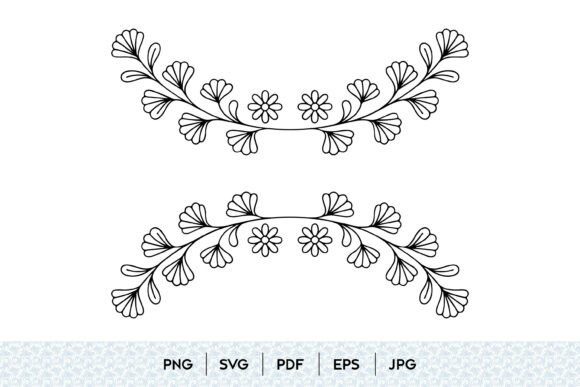
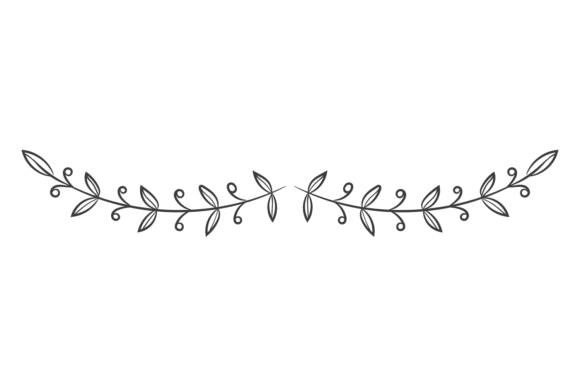
In the digital age, where content is consumed at lightning speed, visual hierarchy is not just an aesthetic choice; it is a functional necessity. The Ornate Botany Divider. Decorative Page D represents a sophisticated solution for designers, writers, and creators who seek to elevate their layouts with organic elegance. This specific design element features intricate floral motifs, delicate leaves, and swirling vines, crafted to serve as a seamless transition between sections of text or distinct chapters in a publication. Isolated on a white background, this asset offers maximum versatility, available in high-resolution formats including EPS, JPG, SVG, and transparent PNG.
Understanding the value of such a decorative element requires looking beyond its immediate beauty. For different audiences, this divider serves varied purposes, from enhancing brand identity to improving readability. Whether you are a seasoned graphic designer or a hobbyist creating a personal journal, recognizing how this tool fits into your workflow can significantly impact the quality of your final output.
The Versatility of Vector and Raster Formats
One of the primary advantages of the Ornate Botany Divider. Decorative Page D is its multi-format availability. This is not merely a technical detail but a crucial factor in usability across different platforms and skill levels.
- SVG and EPS: These vector formats are indispensable for professionals. They allow for infinite scalability without loss of quality, meaning the divider can be resized from a small blog header to a large banner print without pixelation. Designers can also recolor the elements to match specific brand palettes easily.
- Transparent PNG: Ideal for web designers and bloggers, this format allows the divider to sit cleanly over colored backgrounds or images without a white box surrounding it. It is plug-and-play ready for content management systems like WordPress or Squarespace.
- JPG: While less flexible due to its solid background, the JPG version is perfect for quick mockups or projects where the background is strictly white, offering smaller file sizes for faster loading times in simple documents.
Perspectives from Different Creators
The utility of a decorative page divider changes depending on who is holding the mouse. By examining how various groups interact with this asset, we can better understand its broad appeal and practical applications.
For Bloggers and Content Marketers
In the world of digital publishing, attention spans are short. Large blocks of text can intimidate readers, leading to higher bounce rates. A blogger might use the Ornate Botany Divider. Decorative Page D to break up long-form articles. The organic shapes provide a visual "breather," allowing the reader’s eye to rest before moving to the next section. For marketers, this subtle design cue can increase time-on-page metrics, signaling to search engines that the content is engaging. The key priority here is ease of use and load speed; the transparent PNG ensures it integrates seamlessly without complex coding.
For Wedding Planners and Stationery Designers
Elegance is the currency of the wedding industry. Professionals in this field often create invitations, menus, and programs that require a touch of romance and sophistication. The botany theme resonates deeply with natural, rustic, or garden-themed weddings. Here, the focus shifts to quality and print readiness. Using the EPS or SVG files, a designer can ensure that the fine lines of the leaves remain crisp when printed on textured cardstock. The divider acts as a framing device, drawing attention to the names of the couple or the details of the event without overpowering the typography.
For Educators and Curriculum Developers
Teachers and educational content creators often struggle to make worksheets and study guides visually appealing to students. A sterile, text-heavy page can feel daunting. Incorporating an ornate botany divider can soften the academic tone, making materials feel more approachable and curated. For educators, the priority is clarity and distraction management. The divider must be decorative enough to add interest but subtle enough not to distract from the learning material. The isolated white background of the JPG version makes it easy to drop into Word documents or PowerPoint slides without needing advanced design software.
For Self-Published Authors
Independent authors wear many hats, including that of a book designer. Chapter breaks are critical moments in a narrative, providing a pause for reflection. An ornate divider signals this transition more effectively than a simple blank line. For authors, the decision often hinges on aesthetic consistency. If the book cover features floral elements, using the Ornate Botany Divider inside the manuscript creates a cohesive reading experience. The ability to scale the vector files ensures that the divider looks professional in both eBook formats and print-on-demand paperbacks.
Evaluating Quality and Usability
When selecting a decorative element like the Ornate Botany Divider. Decorative Page D, several factors determine its long-term usefulness. It is not enough for an image to look good; it must function well within your specific workflow.
Flexibility is paramount. A design that only works on a white background limits its application. The inclusion of transparent PNGs and editable vectors means this asset can adapt to dark mode websites, colorful social media graphics, or monochrome print ads. This adaptability increases the return on investment for the creator, as one purchase serves multiple project types.
Detail versus Clarity. Ornate designs walk a fine line. Too much detail can become muddy when scaled down, while too little loses its charm. High-quality SVGs preserve the integrity of the intricate botanical details, ensuring that the swirls of the vines and the veins of the leaves remain distinct. This is particularly important for luxury branding, where precision communicates value.
Time Efficiency. For freelancers and small business owners, time is money. Creating custom botanical illustrations from scratch can take hours. Having a pre-made, high-quality divider allows for rapid prototyping and final production. It enables creators to maintain a high volume of output without sacrificing aesthetic standards.
Making the Right Choice for Your Project
To determine if this specific divider matches your goals, consider the tone of your project. Is it formal, whimsical, romantic, or academic? The Ornate Botany Divider. Decorative Page D leans towards elegance and tradition. It may not suit a ultra-modern, tech-focused startup blog, but it is perfect for lifestyle brands, wellness coaches, literary journals, and boutique businesses.
Ask yourself these practical questions:
- Do I need to change the color of the divider to match my brand? If yes, prioritize the SVG or EPS files.
- Will this be used primarily on screen or in print? For screen, check the PNG resolution; for print, ensure the vector paths are clean.
- Does the level of ornamentation complement or compete with my typography? Test the divider with your chosen font to ensure balance.
Ultimately, the Ornate Botany Divider. Decorative Page D is more than just a clipart image. It is a design tool that bridges the gap between functionality and artistry. By understanding its formats and potential applications, creators across all disciplines can enhance their visual storytelling, ensuring their message is not only read but felt. Whether you are designing a wedding invitation or structuring a corporate newsletter, the right decorative element can transform a standard layout into a memorable experience.