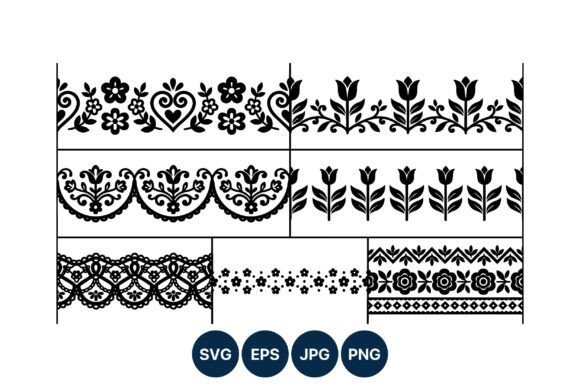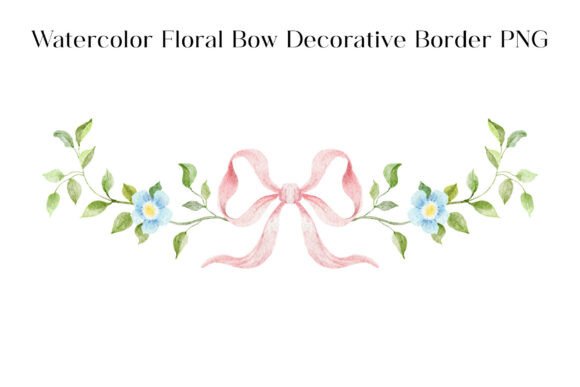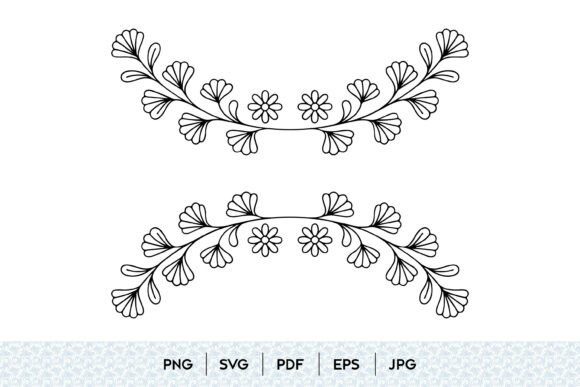
Page Header in Floral Style. Decorative: Elevating Digital and Print Design with Nature-Inspired Dividers
In the realm of graphic design, first impressions are often dictated by the framing elements that introduce content. A page header in floral style. decorative serves as more than just a visual boundary; it acts as an emotional anchor, setting the tone for weddings, invitations, blogs, and branding materials. Whether you are a professional designer seeking high-resolution assets or a DIY enthusiast looking to add elegance to a personal project, understanding how to effectively utilize these ornamental elements can transform a standard layout into a sophisticated composition.
The demand for nature-inspired design has surged, driven by a collective desire for organic warmth and aesthetic softness in both digital and physical media. This article explores the practical applications of floral headers, addressing common design challenges and offering actionable advice on selecting the right formats—such as EPS, JPG, SVG, and transparent PNG—to ensure your projects look polished and professional.
Understanding the Role of Decorative Floral Headers
A page header in floral style. decorative is typically a horizontal graphic element placed at the top of a document or webpage. Unlike generic borders, these headers feature intricate botanical illustrations, including vines, blossoms, leaves, and wreaths. Their primary function is to guide the viewer’s eye while establishing a specific mood—be it romantic, rustic, vintage, or modern minimalist.
For many users, the challenge lies not in finding these images, but in integrating them seamlessly. A poorly chosen header can clutter a page or distract from the core message. Conversely, a well-selected floral divider creates harmony, balancing text-heavy sections with visual breathing room. The key is recognizing that these elements are functional tools for hierarchy, not merely decorative afterthoughts.
Common Design Challenges and Solutions
When incorporating floral elements into your work, several obstacles frequently arise. Addressing these early ensures a smoother creative process.
- Resolution and Scalability: One of the most frequent issues is pixelation. Using a low-quality JPG for a large banner results in blurry edges. To solve this, designers must prioritize vector formats like SVG or EPS for print and scalable web use, ensuring crisp lines at any size.
- Background Clashing: Many floral headers come with white backgrounds. Placing these over colored or textured backgrounds creates an unsightly box effect. The solution is to source files with transparent PNGs, which allow the floral design to sit cleanly on any surface without manual editing.
- Visual Overload: Intricate designs can compete with text. If your header is too busy, readability suffers. The best practice is to balance complex floral headers with ample white space and simple, legible typography.
Selecting the Right File Format for Your Needs
The utility of a page header in floral style. decorative depends heavily on the file format you choose. Each format serves a distinct purpose in the design workflow.
EPS and SVG: The Professional’s Choice
Encapsulated PostScript (EPS) and Scalable Vector Graphics (SVG) are ideal for professional printing and responsive web design. Because they are vector-based, they use mathematical paths rather than pixels. This means you can scale a floral divider from a business card size to a billboard without losing quality. For users creating wedding invitations or large-format banners, EPS files are indispensable. SVGs are particularly valuable for web developers, as they load quickly and remain sharp on high-density retina displays.
Transparent PNG: Versatility for Digital Media
Portable Network Graphics (PNG) with transparency are the go-to for digital compositions where layering is required. If you are designing a social media graphic, an email newsletter, or a blog post header, a transparent PNG allows you to drop the floral element directly onto your background image or color block. This eliminates the need for advanced photo editing skills to remove backgrounds, saving time and ensuring clean edges.
JPG: Simplicity for Static Backgrounds
While less flexible, JPG files are suitable for simple projects where the background is known to be white or solid. They are universally compatible and have smaller file sizes, making them useful for quick drafts or internal documents where transparency is not required.
Practical Applications Across Industries
The versatility of floral headers extends beyond traditional stationery. Here is how different users can leverage these assets effectively.
Wedding and Event Planning
For couples and planners, a page header in floral style. decorative is essential for creating cohesive suites. From save-the-dates to menu cards, consistent floral motifs tie the event’s theme together. Using soft pastels and delicate vines can evoke romance, while bold, tropical leaves might suit a summer celebration. The goal is to create a narrative thread that guests recognize across all touchpoints.
Digital Content Creation
Bloggers and social media managers use floral dividers to break up long-form content, improving readability and engagement. A subtle floral header can signal a new section in an article, making the text less intimidating. Additionally, these elements enhance brand identity for lifestyle, beauty, and wellness influencers who rely on aesthetically pleasing visuals to attract followers.
Corporate Branding with a Soft Touch
Even corporate entities are adopting softer design languages. Brands in the healthcare, spa, and organic food sectors use floral headers to communicate natural ingredients, care, and tranquility. In these contexts, the design should be restrained—using monochromatic palettes or minimalist line art to maintain professionalism while adding warmth.
Tailoring Your Approach: Customization Tips
To maximize the impact of your page header in floral style. decorative, consider these customization strategies:
- Color Harmony: Do not stick to default colors if they do not match your palette. Use design software to recolor vector elements or adjust the hue/saturation of PNGs. A header that matches your brand’s primary color creates a unified look.
- Opacity Adjustments: If a floral design feels too dominant, reduce its opacity. A watermark-style header can provide texture without overpowering the text.
- Layering Techniques: Combine floral elements with other shapes, such as geometric frames or ribbons. This adds depth and modernizes the traditional floral aesthetic.
Conclusion
Integrating a page header in floral style. decorative into your design projects is a powerful way to enhance visual appeal and communicate tone. By understanding the strengths of different file formats like EPS, SVG, and transparent PNG, you can overcome technical hurdles and focus on creativity. Whether you are designing a wedding invitation or a corporate newsletter, the right floral divider bridges the gap between functionality and beauty. Remember to prioritize clarity, ensure high resolution, and align the style with your overall message. With these principles in mind, you can transform ordinary layouts into memorable, elegant experiences for your audience.