Transforming Outdoor Spaces: A Comprehensive Guide to Decorative Fences, Trellises, and Railings
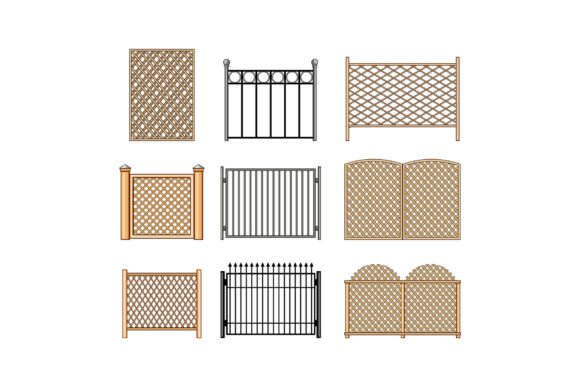
When we think about home improvement, our minds often drift immediately to interior renovations—new kitchen countertops, fresh paint, or updated flooring. However, the exterior of a home holds equal importance in defining both its aesthetic appeal and functional utility. An assortment of decorative fences serves as the framework for your outdoor living area, acting not just as a boundary marker but as a crucial element of architectural design. Whether you are seeking privacy, security, or simply a touch of elegance, the right fencing solution can transform a mundane yard into a curated garden sanctuary.
Understanding the diverse world of garden fences, trellises, and railings requires looking beyond mere utility. These structures are the skeleton of your landscape architecture. They define spaces, guide movement, and provide the backdrop against which your plants and lifestyle play out. In this guide, we will explore the materials, designs, and purposes of these essential outdoor elements, helping you make informed decisions that blend beauty with practicality.
The Dual Purpose: Function Meets Aesthetics
One common misconception is that fencing is purely utilitarian—a necessary evil to keep pets in or intruders out. While security and boundary definition are primary functions, modern landscaping emphasizes the decorative potential of these structures. A well-chosen fence enhances curb appeal, increases property value, and creates distinct "rooms" within your garden.
Consider the psychological impact of a well-designed perimeter. A solid wooden fence offers a sense of enclosure and safety, allowing you to relax without feeling exposed. Conversely, an open metal railing maintains visibility while subtly marking territory, creating an inviting atmosphere for guests. The key is to align the style of the fence with the overall architecture of your home and the intended use of the space.
Wood vs. Metal: Choosing Your Material
The two most prevalent materials in residential fencing are wood and metal, each offering unique advantages and stylistic possibilities.
- Wood: Known for its warmth and natural texture, wood is incredibly versatile. It can be stained, painted, or left to weather naturally. Cedar and redwood are popular choices due to their natural resistance to rot and insects. Wood fences work exceptionally well in traditional, cottage, or rustic settings.
- Metal: Including wrought iron, aluminum, and steel, metal fences offer durability and a sleek, modern look. Wrought iron provides classic elegance with intricate scrollwork, while aluminum offers a lightweight, rust-resistant alternative that mimics the look of iron without the heavy maintenance. Metal is ideal for contemporary homes or those seeking a low-maintenance solution.
When viewing a collection of garden fences, notice how the material influences the light and shadow patterns throughout the day. Wood absorbs light, creating a soft, matte finish, while metal reflects it, adding sparkle and visual interest to the landscape.
Exploring Diverse Designs for Every Need
The design of your fence should reflect its primary purpose. Are you looking to block the view of a busy street, or do you want to showcase your prize-winning roses? Here is a breakdown of common styles and their best applications.
Privacy Fences
Privacy fences are typically tall, solid structures designed to block sightlines. Common styles include:
- Board-on-Board: Overlapping vertical boards create a solid barrier with no gaps, offering maximum privacy and wind protection.
- Shadowbox: This style features alternating boards on either side of the rail. It looks solid from a distance but allows some air circulation, reducing wind load on the structure.
For those who find solid walls too imposing, consider incorporating lattice tops or planting climbing vines along the base to soften the visual impact.
Decorative and Boundary Fences
If privacy is not a concern, decorative fences focus on aesthetics and gentle boundary marking. Picket fences, for instance, are iconic in suburban landscapes. They provide a charming, welcoming feel without isolating the homeowner from the neighborhood. Similarly, post-and-rail fences are excellent for large properties where the goal is to contain livestock or mark property lines without obstructing views.
Trellises and Vertical Gardening
Trellises are arguably the most artistic element in the fencing collection. Unlike standard fences, trellises are open frameworks designed to support climbing plants. They serve a dual purpose: structural support for greenery and decorative screening.
Using a trellis allows you to add height and greenery to small spaces. Imagine a metal arbor covered in jasmine or a wooden lattice adorned with clematis. These structures turn vertical space into a living wall, adding color, fragrance, and texture to your garden. They are perfect for covering unsightly walls, creating shaded seating areas, or defining entryways.
Railings: Safety with Style
Often overlooked, railings are critical for decks, patios, and staircases. While building codes dictate height and spacing for safety, the design choices are vast. Modern trends favor minimalist metal railings with glass inserts, which provide unobstructed views of the surrounding landscape. For a more traditional look, turned wood balusters remain a timeless choice.
When selecting railings, consider the transition between indoor and outdoor spaces. A seamless flow can be achieved by matching the railing material to other exterior elements, such as window frames or door hardware. This attention to detail elevates the overall cohesiveness of your home’s design.
Practical Considerations for Installation and Maintenance
Choosing the right fence is only half the battle; proper installation and maintenance ensure longevity. Before purchasing, always check local zoning laws and homeowner association rules regarding height, material, and placement. Many municipalities have strict guidelines about how close to the property line a fence can be built.
Maintenance tips by material:
- Wood: Requires regular sealing or staining every few years to prevent rot and warping. Inspect for loose boards or nails after severe weather.
- Metal: Wrought iron may need occasional repainting to prevent rust, especially at joints. Aluminum and vinyl-coated metals are virtually maintenance-free, requiring only occasional washing with soap and water.
Investing in high-quality materials and professional installation can save money in the long run by reducing repair costs and extending the life of the structure.
Integrating Fencing into Modern Lifestyles
In today’s fast-paced world, the home has become a multifunctional hub for work, relaxation, and entertainment. Outdoor spaces are no longer just for gardening; they are extensions of our living rooms. A well-designed fence creates the necessary privacy for remote work calls on the patio or intimate dinner parties in the evening.
Furthermore, sustainable landscaping practices are influencing fencing choices. Recycled composite woods and sustainably sourced timber are gaining popularity among environmentally conscious homeowners. Additionally, fences can be integrated with solar lighting, enhancing security and ambiance while reducing energy consumption.
For businesses, particularly those in the hospitality sector, decorative fencing plays a vital role in customer experience. Outdoor dining areas enclosed by stylish railings or lush trellises create a sense of exclusivity and comfort, encouraging patrons to linger longer. Thus, the principles of residential fencing apply equally to commercial landscape architecture.
Conclusion
An assortment of decorative fences offers endless possibilities for enhancing your outdoor environment. From the sturdy reliability of wood to the elegant durability of metal, each material and design serves a specific purpose. Whether you need a high privacy screen, a delicate trellis for climbing roses, or a secure railing for your deck, understanding the options available allows you to create a space that is both beautiful and functional.
By considering factors such as maintenance, local regulations, and personal style, you can select fencing solutions that stand the test of time. Remember, your fence is more than a boundary; it is the frame that highlights the masterpiece of your garden. Take the time to explore diverse designs, and you will find the perfect balance of privacy, security, and decorative charm for your home.