The Art of Vintage Flourishes: Elevating Modern Design with Ornate Swirls and Botanical Motifs
In the fast-paced world of digital design, there is a timeless appeal to elements that evoke history, craftsmanship, and elegance. Vintage decorative swirls and flourishes are not merely relics of the past; they are powerful tools that bridge the gap between traditional artistry and modern creative needs. Whether you are designing a wedding invitation, crafting a luxury brand identity, or working on a DIY home decor project, understanding how to effectively utilize these ornate elements can significantly enhance the visual impact of your work.
This article explores the significance of ornate hand-drawn floral ornament designs, their practical applications in various industries, and why high-quality vector formats are essential for professional results. By integrating these classic motifs into your projects, you add a layer of sophistication and depth that minimalist designs often lack.
Understanding the Aesthetic Appeal of Vintage Flourishes
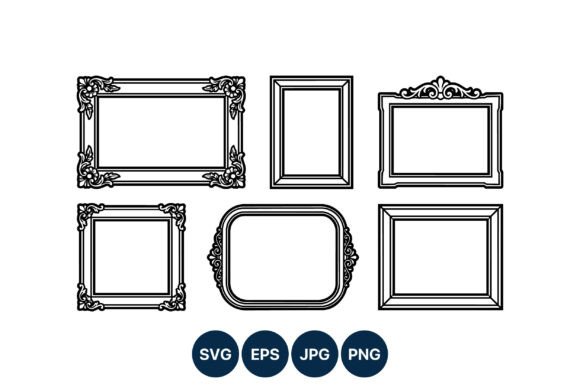
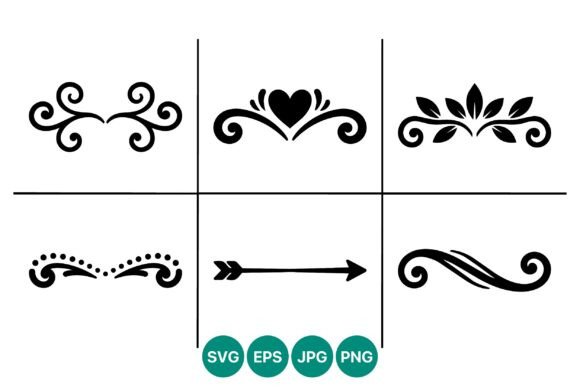
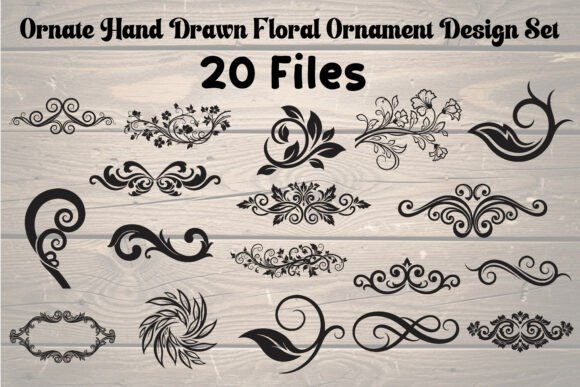
At their core, vintage flourishes are decorative lines, curves, and shapes that embellish a design. They often draw inspiration from historical periods such as the Victorian era, Art Nouveau, and the Renaissance, where attention to detail was paramount. These elements typically feature elegant swirls, botanical flourishes, and intricate filigree details. When rendered in a bold black silhouette style, they create a striking contrast that is both eye-catching and versatile.
The beauty of these designs lies in their ability to convey emotion and tone without using words. A delicate vine curling around a text block suggests romance and softness, while a robust, symmetrical frame implies stability and tradition. For designers and creators, these elements serve as visual shorthand for quality and heritage. They transform a simple layout into a curated experience, inviting the viewer to appreciate the craftsmanship behind the final product.
The Role of Filigree and Botanical Motifs
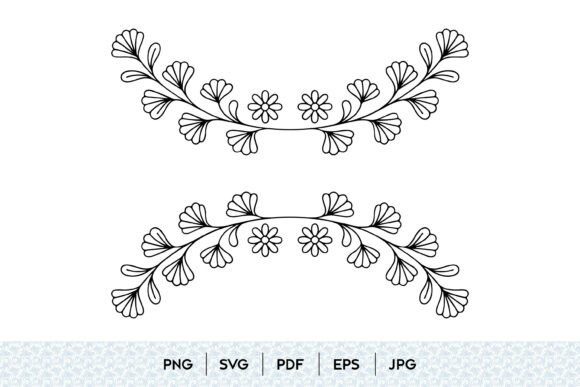
Filigree and botanical motifs are specific subsets of vintage decoration that deserve special attention. Filigree involves delicate, lace-like patterns created by twisting fine wires or, in graphic design, thin lines. These patterns add texture and complexity to a design, making it feel luxurious and detailed. Botanical motifs, on the other hand, bring the organic beauty of nature into the digital or printed realm. Leaves, vines, flowers, and stems are stylized to fit within the geometric constraints of a layout while maintaining their natural grace.
When combined, these elements create a harmonious balance between structure and fluidity. The rigid symmetry of a frame can be softened by the asymmetrical growth of a vine, creating a dynamic composition that guides the viewer’s eye through the design. This interplay is crucial in fields like logo branding design, where a brand needs to appear both established and approachable.
Practical Applications in Modern Creative Projects
While rooted in history, vintage decorative elements are incredibly relevant in today’s creative landscape. Their versatility allows them to be used across a wide range of mediums and industries. Here are some of the most common and effective ways to incorporate these designs into your work:
- Wedding Invitations: Perhaps the most popular use case, vintage swirls add a touch of romance and formality to wedding stationery. They can frame the couple’s names, separate sections of information, or serve as background watermarks.
- Laser Cutting and CNC Projects: For makers and artisans, these designs are ideal for laser cutting. The clean lines and closed paths of vector files ensure that machines can cut intricate patterns into wood, acrylic, or metal with precision.
- Cricut and Silhouette Crafting: Hobbyists using cutting machines like Cricut or Silhouette can easily import these designs to create custom stickers, decals, paper crafts, and home decor items. The scalability of the files ensures that whether you are making a small gift tag or a large wall decal, the quality remains crisp.
- Logo Branding Design: Businesses aiming for a classic, upscale, or artisanal image often incorporate flourishes into their logos. These elements can soften a stark typographic logo or add a unique identifier to a brand mark.
- Scrapbooking and Journaling: In the world of paper crafts, decorative borders and corners are essential for framing photos and text. Vintage elements add a nostalgic feel that complements handwritten notes and memorabilia.
- Luxury Packaging Design: High-end products often use ornate details on their packaging to signal quality and exclusivity. Gold foil stamping of black silhouette designs on matte boxes is a popular technique in the cosmetics and jewelry industries.
The Importance of File Formats and Quality
One of the most critical aspects of using decorative elements is ensuring you have the right file formats. Not all images are created equal, and choosing the wrong format can lead to pixelation, printing errors, and wasted time. A comprehensive design set should include multiple formats to cater to different needs:
- EPS (Editable Vector File): This is the gold standard for professional graphic design. EPS files are vector-based, meaning they are made of mathematical paths rather than pixels. This allows you to resize the design to any dimension—from a business card to a billboard—without losing quality. They are also editable in software like Adobe Illustrator, allowing you to change colors, adjust nodes, or combine elements.
- SVG (Scalable Vector Graphics): SVGs are increasingly popular for web design and cutting machines. Like EPS, they are scalable and maintain sharp edges at any size. They are lightweight and widely supported by modern browsers and crafting software.
- PNG (High Resolution, Transparent Background): PNGs are raster images, meaning they are made of pixels. However, high-resolution PNGs with transparent backgrounds are incredibly useful for quick drag-and-drop projects in software like Photoshop, Canva, or Procreate. The transparency allows you to place the flourish over any color or image without a white box surrounding it.
- PDF (Print Ready Format): PDFs are ideal for direct printing. They preserve the vector quality and are universally accessible, making them perfect for users who do not have advanced design software but still need high-quality prints.
- JPG (High Resolution, White Background): While less flexible due to the white background, JPGs are useful for quick previews or for projects where the background will remain white. They are compatible with virtually every image viewer and editor.
Having access to this variety ensures that whether you are a professional designer using industry-standard tools or a hobbyist using user-friendly apps, you can work efficiently and achieve professional results.
Common Misconceptions About Vintage Design
There is a common misconception that vintage design is outdated or only suitable for traditional themes. In reality, when used correctly, vintage elements can create a striking contrast in modern, minimalist designs. This technique, often referred to as "modern vintage" or "eclectic," involves pairing clean, sans-serif typography with ornate, historical flourishes. The juxtaposition creates visual interest and highlights the elegance of the decorative elements.
Another misunderstanding is that complex designs are difficult to use. On the contrary, pre-made sets of clean, high-resolution elements save time and effort. Instead of drawing each swirl by hand, designers can select the perfect motif from a library, resize it, and integrate it seamlessly into their layout. This efficiency allows creators to focus on the overall composition and message rather than getting bogged down in tedious detailing.
Conclusion: Enhancing Your Creative Toolkit
Incorporating vintage decorative swirls and flourishes into your creative projects is a surefire way to elevate your design game. These elements offer a blend of historical charm and modern versatility, making them suitable for everything from wedding invitations to luxury packaging. By understanding the aesthetic principles behind these motifs and utilizing the correct file formats, you can ensure that your projects stand out with professionalism and style.
Whether you are a seasoned graphic designer or a passionate crafter, having a reliable set of ornate hand-drawn floral ornaments at your disposal is an invaluable asset. It empowers you to create designs that are not only visually appealing but also rich in character and narrative. So, the next time you start a new project, consider adding a touch of vintage elegance. You may find that these timeless details are exactly what your design needs to truly shine.
For those ready to explore this aesthetic, look for comprehensive design sets that offer EPS, SVG, PNG, PDF, and JPG formats. This flexibility ensures that no matter your skill level or project type, you have the tools necessary to bring your creative vision to life with precision and grace.