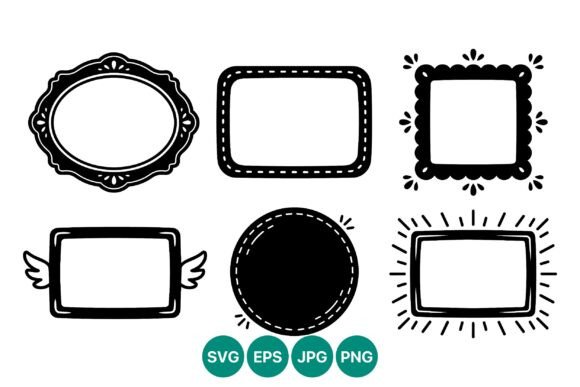
Elevate Designs with Decorative Frames
In the fast-paced world of digital content, capturing attention within seconds is not just a goal; it is a necessity. One of the most effective yet often underutilized tools for achieving this is the strategic use of border elements. A high-quality Decorative Picture Frames Vector serves as more than just a boundary; it acts as a visual anchor that guides the viewer’s eye and adds a layer of sophistication to any composition. Whether you are crafting a minimalist social media post or an intricate editorial layout, these assets provide the structural elegance needed to elevate your work from standard to standout.
The Power of Versatile Vector Assets
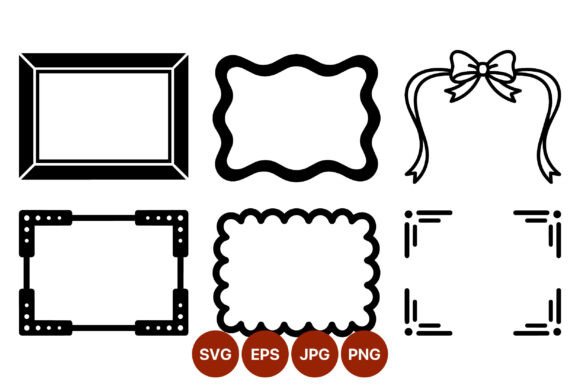
When integrating frame elements into your graphic design workflow, versatility is paramount. The collection described here offers a comprehensive suite of shapes, including oval, round, and square borders, all rendered in crisp black and white. This monochromatic approach ensures that the frames remain neutral enough to complement any color palette while providing high contrast for maximum visibility. Because these are 100% vector files, they offer unparalleled scalability. You can resize them from a tiny icon on a mobile interface to a massive billboard advertisement without losing a single pixel of sharpness.
The inclusion of multiple file formats—SVG, PNG, JPG, and EPS—within a single ZIP folder streamlines the design workflow significantly. For web designers and UI specialists, SVG files are ideal due to their small file size and code-based scalability. Meanwhile, print designers working on packaging or editorial projects will appreciate the precision of EPS files for professional printing processes. This flexibility ensures that your creative assets are ready for any medium, reducing the time spent on file conversion and allowing you to focus on creativity.
Practical Applications in Modern Design
Understanding how to deploy these frames effectively can transform various aspects of your brand identity and marketing efforts. Here are several key areas where these decorative elements add significant value:
- Branding and Logo Design: Use circular or oval frames to encase logos, creating a badge-like aesthetic that conveys trust and heritage.
- Social Media Graphics: Frame product shots or quotes to create consistent, recognizable templates that improve engagement rates across platforms like Instagram and Pinterest.
- Editorial and Web Design: Break up text-heavy layouts with framed images to improve readability and establish a clear visual hierarchy.
- Packaging Design: Add a touch of luxury to product labels by using intricate borders that highlight key information or ingredients.
- Digital Products: Enhance ebooks, presentations, and online courses by framing chapter headers or testimonial quotes for a polished, professional look.
Enhancing Visual Communication
Beyond aesthetics, these frames play a crucial role in visual communication. They help isolate specific elements, ensuring that the viewer focuses on what matters most. In digital marketing, where clutter is common, a clean, well-defined border can make a call-to-action button or a promotional offer pop off the screen. This technique is particularly effective in UX design, where guiding user attention without overwhelming them is critical for a seamless experience.
Furthermore, the black-and-white nature of these vectors allows for easy customization. Designers can recolor them to match specific brand guidelines or leave them neutral to let photography take center stage. This adaptability makes them suitable for both modern, minimalist aesthetics and more traditional, ornate styles. By maintaining consistency in how these frames are used across different touchpoints, businesses can strengthen their brand recognition and create a cohesive narrative.
Tips for Effective Implementation
To get the most out of these creative resources, consider the following best practices. First, always prioritize readability. Ensure that the frame does not overpower the content it surrounds. The border should support the message, not distract from it. Second, maintain consistency in your design language. If you choose a specific style of oval frame for your social media headers, carry that same stylistic choice through to your website banners and email newsletters.
Finally, pay attention to composition. Use the rule of thirds or central symmetry when placing framed elements to create balanced, harmonious layouts. Whether you are working on advertising campaigns or personal creative projects, thoughtful placement of these vector assets can dramatically improve the overall quality of your output. By leveraging high-quality, scalable design elements, you ensure that your work remains sharp, professional, and impactful across all devices and mediums.
Ultimately, the right tools can make the difference between good design and great design. Incorporating versatile, high-contrast vector frames into your toolkit empowers you to create visually compelling content that resonates with your audience. As design trends continue to evolve, having reliable, adaptable assets at your disposal ensures that you can meet the demands of modern visual design with confidence and creativity.