Decorative String Lights Bulbs: Elevating Design with One Line Art Vectors
In the realm of digital design and physical decor, few elements evoke warmth and nostalgia quite like decorative string lights bulbs. Whether illuminating a cozy backyard gathering or adding a touch of whimsy to a minimalist website, these iconic shapes have transcended their functional origins to become powerful symbols of celebration and comfort. However, capturing this essence in graphic design requires more than just a photograph; it demands precision, versatility, and artistic flair. This is where the concept of one line art vectors transforms simple imagery into sophisticated visual assets.
Understanding how to effectively utilize decorative string lights in both physical spaces and digital media can significantly enhance your creative projects. From festive holiday cards to modern interior branding, the application of these designs is vast. By exploring the intersection of traditional lighting aesthetics and contemporary vector art, we can uncover new ways to communicate joy, elegance, and simplicity.
The Evolution of String Light Aesthetics
Historically, string lights were purely functional, designed to provide illumination for outdoor events or holiday decorations. Over time, they evolved into decorative staples, with various bulb shapes—such as Edison, globe, and teardrop—becoming recognizable icons of festivity. In the digital age, this recognition has made them a popular subject for graphic designers seeking to convey specific moods without using excessive text or complex imagery.
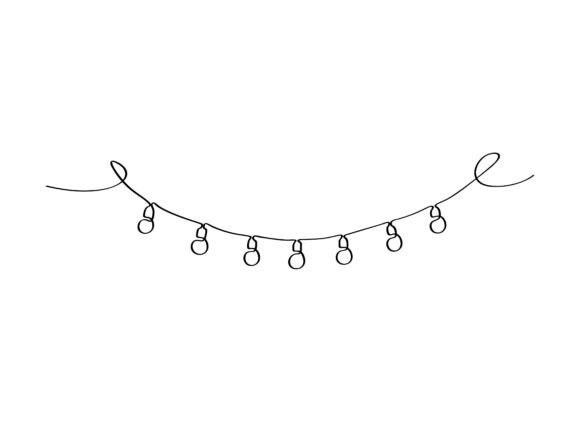
The shift towards minimalist design has further elevated the status of string lights in visual communication. Instead of cluttered, realistic renderings, modern audiences often prefer clean, abstract representations. This preference has given rise to the popularity of continuous one line art, a style that captures the essence of an object using a single, unbroken stroke. When applied to decorative string lights bulbs, this technique creates a sense of flow and connectivity that mirrors the actual physical structure of the lights themselves.
Why One Line Art Resonates with Modern Audiences
One line art is not merely a stylistic choice; it is a reflection of contemporary values such as clarity, efficiency, and mindfulness. In a world saturated with visual noise, a clean, continuous line offers a moment of visual rest. For designers and businesses, this means that assets featuring one line art string lights are highly versatile. They can be scaled up for large banners or down for social media icons without losing their integrity or becoming pixelated.
Furthermore, this style aligns perfectly with the principles of responsive design. As websites and applications adapt to various screen sizes, vector-based graphics ensure that images remain crisp and clear. A PNG or JPG might lose quality when resized, but an SVG or AI file maintains its precision, making it an indispensable tool for professional designers.
Practical Applications in Design and Branding
The versatility of decorative string lights bulbs extends far beyond holiday themes. While they are naturally associated with Christmas, weddings, and parties, their application in corporate and educational contexts is equally impactful. Here are several ways these vector assets can be integrated into modern projects:
- Festive Cards and Invitations: A continuous line drawing of hanging lights adds a touch of elegance to wedding invitations or birthday cards without overwhelming the text. It suggests celebration while maintaining a sophisticated tone.
- Minimalist Interior Branding: Cafes, boutiques, and co-working spaces often use lighting as part of their interior design. Using one line art vectors of these lights in their branding materials—such as menus, business cards, and signage—creates a cohesive visual identity that reflects their physical environment.
- Educational Materials: In presentations or e-learning modules, simple icons of string lights can be used to highlight key points or mark the end of a section, providing a visual cue that is both friendly and engaging.
- Tech and App Interfaces: For apps focused on event planning or home decor, these vectors serve as intuitive icons that users immediately recognize, enhancing the user experience through familiar visual language.
Choosing the Right File Format for Your Project
When working with decorative string lights vectors, understanding the differences between file formats is crucial for achieving the best results. Each format serves a specific purpose, and selecting the wrong one can lead to quality issues or compatibility problems.
- SVG (Scalable Vector Graphics): Ideal for web use, SVGs are lightweight and scale infinitely without loss of quality. They are perfect for logos, icons, and interactive elements on websites.
- AI (Adobe Illustrator): This is the native format for Adobe Illustrator and is best for editing. If you plan to modify the line weight, color, or shape of the string lights, starting with an AI file gives you the most control.
- EPS (Encapsulated PostScript): A universal vector format that is compatible with many design programs. It is often used for print purposes, ensuring that your designs look sharp on business cards, brochures, and large-format prints.
- PNG (Portable Network Graphics): While not a vector format, high-resolution PNGs are useful for quick previews or for use in platforms that do not support vector files. Ensure the background is transparent for maximum flexibility.
- JPG (Joint Photographic Experts Group): Best for photographic contexts or when file size is a primary concern. However, JPGs do not support transparency and can lose quality upon compression, so they are less ideal for precise graphic design work.
Common Misunderstandings About Vector Art
Despite their advantages, there are several misconceptions about vector art that can hinder beginners. One common assumption is that vector files are always larger than raster images. In reality, simple vector designs like one line art are often much smaller in file size because they store mathematical equations rather than pixel data. This makes them faster to load on websites, improving SEO and user experience.
Another misunderstanding is that vector art lacks emotional depth. Critics might argue that a single line cannot convey the warmth of glowing bulbs. However, skilled designers use line weight, curvature, and spacing to suggest light and shadow. The simplicity of the design invites the viewer to fill in the gaps with their own imagination, often creating a stronger emotional connection than a hyper-realistic image.
Enhancing Creativity with Continuous Line Designs
To truly leverage the power of decorative string lights bulbs one line art vector, consider how the continuity of the line can tell a story. The unbroken stroke can symbolize connection, unity, and endless possibility. In branding, this can subtly communicate a company’s commitment to seamless service or community building. In personal projects, it can represent the interconnectedness of memories and moments.
Experimenting with different arrangements of the bulbs can also yield unique results. Try varying the spacing between bulbs to create rhythm, or altering the curve of the wire to suggest movement. These small adjustments can transform a generic clipart image into a custom piece of art that stands out in a crowded digital landscape.
Conclusion: Illuminating Your Creative Projects
Integrating decorative string lights bulbs into your design toolkit offers a blend of nostalgia and modernity that appeals to a wide audience. By utilizing one line art vectors, you gain the flexibility to apply these charming motifs across various media, from print to digital platforms. Whether you are designing a festive invitation, branding a minimalist cafe, or creating educational content, these assets provide a clean, professional, and emotionally resonant solution.
Remember to choose the right file format for your specific needs, leveraging the scalability of SVG and AI for editing and web use, and the compatibility of EPS and PNG for print and quick sharing. By understanding the technical and aesthetic benefits of continuous line art, you can elevate your projects and create visuals that truly shine. Embrace the simplicity, explore the possibilities, and let your creativity glow.