Decorative Golden Pillar: Classic Luxury for Interior Design
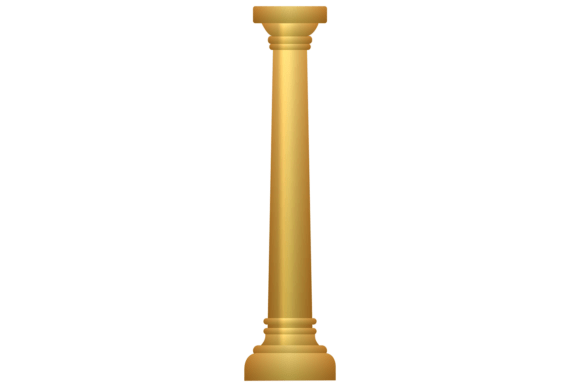
The integration of classical architectural elements into modern interiors has seen a significant resurgence, with the decorative golden pillar emerging as a focal point for those seeking to convey opulence and timeless elegance. Often described under the umbrella of classic luxury, these columns are not merely structural supports but serve as powerful aesthetic statements. Whether utilized in grand lobbies, residential entryways, or as standalone artistic features, a decorative golden pillar transforms spatial perception by adding verticality, grandeur, and a touch of historical reverence.
For designers, architects, and homeowners evaluating this design element, understanding the nuances of material, finish, and application is crucial. The term "classic luxury interior column isolated on white background" often appears in digital asset libraries, indicating the popularity of these forms in visual planning and marketing. However, translating a digital concept—available in formats like EPS, JPG, or transparent PNG—into a physical reality requires careful consideration of scale, lighting, and surrounding decor.
Understanding the Appeal of Classic Luxury Columns
The primary draw of a decorative golden pillar lies in its ability to anchor a room with authority and grace. Historically, columns were structural necessities in Greek and Roman architecture. Today, their role is predominantly ornamental. When finished in gold, they evoke associations with wealth, stability, and high culture. This aesthetic choice is particularly effective in spaces designed to impress, such as hotel receptions, banquet halls, or luxury retail environments.
Consumers interested in this style are often motivated by a desire to create a specific atmosphere. The golden hue reflects light, enhancing the brightness of a space while adding warmth. Unlike silver or chrome, which can feel cold or industrial, gold offers a rich, inviting glow. This makes the decorative golden pillar a versatile choice for both traditional baroque settings and contemporary eclectic designs that juxtapose old-world charm with modern minimalism.
Benefits and Aesthetic Impact
Incorporating a classic luxury column into an interior design scheme offers several tangible benefits. First, it provides vertical emphasis, drawing the eye upward and making ceilings appear higher. This is particularly advantageous in rooms with standard ceiling heights that may otherwise feel cramped. Second, it acts as a natural divider in open-plan layouts without blocking light or sightlines, maintaining a sense of openness while defining distinct zones.
- Visual Focal Point: A golden pillar serves as an immediate center of attention, reducing the need for excessive wall art or clutter.
- Light Reflection: The metallic surface interacts with ambient and artificial lighting, creating dynamic shadows and highlights that change throughout the day.
- Perceived Value: High-quality finishes contribute to an overall impression of premium quality and meticulous attention to detail.
Furthermore, the availability of digital assets, such as transparent PNGs or vector EPS files, allows designers to visualize these columns in various settings before commitment. This pre-visualization capability helps in assessing proportion and color harmony, ensuring that the final installation aligns with the client's vision.
Material Considerations and Tradeoffs
While the visual impact is undeniable, the practical aspects of installing a decorative golden pillar require careful evaluation. The term "golden" can refer to various materials and finishing techniques, each with distinct tradeoffs regarding cost, durability, and maintenance.
Solid Brass or Bronze: These metals offer authenticity and longevity. They develop a patina over time, which some owners appreciate for its character, while others may find it requires regular polishing to maintain a bright shine. This option is significantly more expensive and heavy, requiring robust structural support.
Gilded Wood or Resin: A more common approach involves carving wood or molding resin into classical shapes and applying gold leaf or metallic paint. This method is lighter and more cost-effective. However, gold leaf is delicate and can be prone to chipping if touched frequently. High-quality polyurethane paints offer better durability but may lack the depth and luminosity of real metal or leaf.
Fiberglass and Composites: Modern manufacturing allows for lightweight fiberglass columns with durable metallic coatings. These are ideal for large-scale installations where weight is a concern. They resist moisture and corrosion better than wood, making them suitable for semi-outdoor areas or humid environments, though they may still require occasional touch-ups.
Situations Where It Is a Strong Fit
A decorative golden pillar is most effective in spaces that can accommodate its bold presence. It thrives in environments with ample square footage and high ceilings. For instance, in a grand foyer, flanking a staircase, or framing a fireplace, the column enhances the architectural narrative without overwhelming the space. It is also a strong fit for thematic interiors, such as Art Deco revivals or neoclassical renovations, where historical accuracy and opulence are prioritized.
Commercial spaces benefit significantly from this element. Luxury boutiques, high-end restaurants, and corporate headquarters often use golden columns to communicate brand prestige. In these contexts, the column acts as a silent ambassador of quality, reinforcing the customer's perception of value.
When to Consider Alternatives
Despite its allure, the decorative golden pillar is not universally appropriate. In small, cluttered rooms, a large golden column can feel oppressive and disproportionate. If the existing decor is heavily patterned or colorful, the addition of a shiny metallic element may create visual chaos rather than harmony. In such cases, a matte-finished column in a neutral tone, or even a simple pilaster, might provide the desired architectural interest without the visual weight.
Budget constraints are another critical factor. Achieving a convincing "classic luxury" look requires high-quality craftsmanship. Cheap imitations with poor paint jobs can detract from the overall aesthetic, appearing tacky rather than elegant. If the budget does not allow for premium materials or professional installation, it may be wiser to invest in other design elements that offer better returns on investment, such as lighting fixtures or flooring.
Practical Decision-Making Insights
When selecting a decorative golden pillar, start by assessing the scale of your space. Measure the height and width carefully, ensuring the column’s diameter is proportional to the room. A general rule of thumb is that the column should not dominate the space but complement it. Consider the lighting plan; golden surfaces reflect light, so position the column where it can catch ambient light sources to maximize its shimmer.
Evaluate the maintenance requirements. If the column will be in a high-traffic area, opt for durable painted finishes rather than delicate gold leaf. Ask suppliers for samples to test how the finish looks under your specific lighting conditions, as gold tones can vary widely from warm yellow to cool rose gold.
Finally, think about integration. The column should not exist in isolation. Coordinate its base and capital details with other moldings, trim, or furniture legs in the room. Consistency in design language ensures that the decorative golden pillar feels like an intentional part of the whole, rather than an afterthought. By balancing aesthetic ambition with practical constraints, you can determine whether this classic luxury element aligns with your goals, creating a space that is both visually striking and functionally sound.