Classic Decorative Flourishes Guide
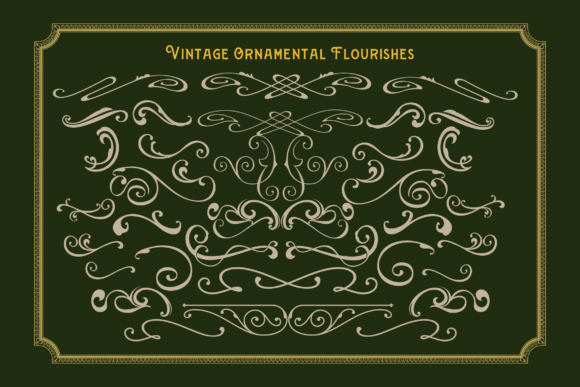
In an era dominated by minimalist aesthetics and flat design, there remains a profound appreciation for the intricate and the ornate. Classic Decorative Flourishes offer a bridge to this richer visual heritage, allowing creators to infuse their work with depth, history, and sophistication. These elements are not merely decorative add-ons; they are functional tools that guide the eye, frame important information, and establish a tone of elegance that modern vector shapes often struggle to replicate. Whether you are designing a wedding invitation, branding a boutique coffee shop, or laying out a historical novel, understanding how to leverage these vintage ornamental elements can significantly elevate the perceived value of your project.
The Strategic Value of Vintage Ornamentation
Many designers hesitate to use flourishes, fearing they might appear cluttered or outdated. However, when applied with intention, Classic Decorative Flourishes serve specific communicative purposes. They act as visual anchors in white space, preventing a layout from feeling empty or unfinished. More importantly, they signal quality and attention to detail. In marketing materials, this subtle cue can influence consumer perception, suggesting that the product or service behind the design is equally crafted with care.
Consider the psychology of antique design styles. Swirls, filigrees, and classic embellishments evoke feelings of tradition, stability, and luxury. For entrepreneurs launching premium products, integrating these elements can help justify higher price points by aligning the visual identity with high-end expectations. It is not about adding noise; it is about adding weight and gravitas to your message.
Practical Applications Across Industries
The versatility of this elegant collection of vintage ornamental elements means it serves a wide range of professionals. Here is how different creators can integrate these assets into their workflows effectively.
Branding and Identity Design
For small business owners, particularly those in lifestyle, beauty, or hospitality sectors, logo design often requires a touch of personality that standard typography cannot provide alone. A well-placed flourish can transform a simple wordmark into a memorable emblem. For instance, a bakery might use a delicate swirl to underline its name, suggesting the artistry involved in its pastries. The key is restraint; using one or two high-quality elements from the Classic Decorative Flourishes set ensures the brand remains legible while gaining character.
Publishing and Editorial Layouts
Authors and publishers face the challenge of making text-heavy pages engaging. Chapter headings and section breaks are ideal candidates for decorative embellishments. Instead of a plain horizontal line, a vintage divider can signal a transition in narrative or topic, providing the reader with a visual breath. This improves the reading experience by breaking up monotony without disrupting the flow. Educators creating course materials can similarly use these elements to highlight key definitions or quotes, making study guides more visually appealing and easier to navigate.
Event Stationery and Invitations
This is perhaps the most traditional use case, yet it remains highly relevant. Wedding planners and freelance designers know that invitations set the tone for the entire event. Using classic embellishments that capture the timeless charm of antique design styles helps convey the formality and romance of the occasion. Digital templates featuring these assets allow for rapid customization, enabling designers to produce high-end looks without starting from scratch.
Enhancing Efficiency and Creativity
One of the primary benefits of using a pre-crafted asset pack is time efficiency. Drawing intricate swirls and balanced flourishes from scratch requires significant skill and hours of refinement. By utilizing a professionally designed collection, freelancers and marketers can bypass the technical drafting phase and focus on composition and hierarchy. This acceleration does not come at the cost of quality; rather, it ensures consistency across all design materials.
Furthermore, these assets support creativity by providing a starting point. When facing designer’s block, browsing through a variety of swirls and frames can spark new layout ideas. You might discover that a particular flourish works better as a background watermark than a border, leading to innovative design solutions that you might not have conceived independently.
Best Practices for Integration
To ensure your designs remain modern and effective, consider these guidelines when working with Classic Decorative Flourishes:
- Maintain Visual Hierarchy: Ensure that decorative elements do not compete with primary text. They should support the content, not obscure it. Use lighter opacity or smaller scales for background elements.
- Match the Era: Not all vintage styles are the same. Victorian flourishes differ greatly from Art Deco geometric patterns. Choose elements from the collection that align with the specific historical aesthetic you aim to evoke.
- Balance White Space: Ornate elements thrive in spacious layouts. Avoid crowding them with too much text or other graphics. Let the flourishes breathe to maximize their impact.
- Consistency is Key: Stick to a consistent style of flourish throughout a single project. Mixing overly complex baroque swirls with simple rustic lines can create visual dissonance.
Who Benefits Most from This Collection?
While any designer can appreciate quality assets, certain groups will find exceptional value in this specific type of resource. Freelance graphic designers can expand their service offerings to include vintage-inspired branding packages. Small business owners who manage their own marketing can achieve a polished look without hiring expensive agencies. Educators and bloggers can enhance their digital content, making it more shareable and engaging on social media platforms where aesthetics drive clicks.
It is also worth noting that these elements are not limited to print. With high-resolution formats, they translate beautifully to web design, particularly for landing pages that aim to convey trust and heritage. However, users should be mindful of file sizes and loading times when using intricate graphics online, optimizing them appropriately for digital environments.
Navigating Limitations and Fit
While Classic Decorative Flourishes are powerful, they are not a universal solution. Projects requiring a ultra-modern, tech-forward, or industrial aesthetic may clash with vintage ornamentation. In such cases, it is crucial to assess whether the ornamental style aligns with the brand’s core values. Additionally, overuse can lead to a dated appearance. The goal is to evoke timelessness, not nostalgia for a specific decade unless that is the explicit intent.
Users should also consider the technical compatibility of the assets with their preferred design software. Ensuring that the files are in editable vector formats allows for seamless color changes and scaling, which is essential for professional workflows. If the collection offers only raster images, flexibility may be limited, so verifying file types before purchase or download is a prudent step.
Final Thoughts on Elevating Your Design
Incorporating Classic Decorative Flourishes into your design toolkit is an investment in versatility and elegance. By understanding the strategic role these elements play in guiding viewer attention and establishing tone, you can move beyond mere decoration to create meaningful visual experiences. Whether you are aiming to save time on client projects or simply wish to add a touch of sophistication to your personal creative endeavors, this elegant collection provides the necessary components to achieve a refined result. Remember, the most effective design is often a balance between innovation and tradition, and these vintage ornamental elements offer the perfect foundation for that equilibrium.