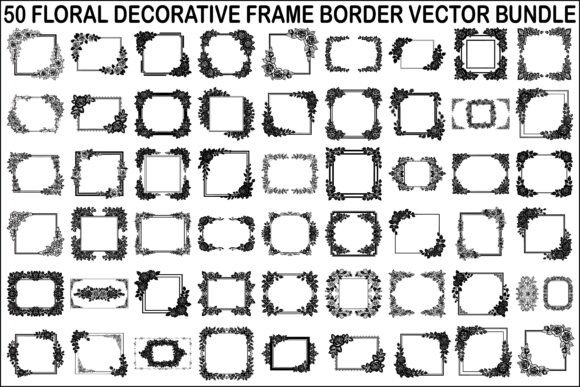
Art Deco Frame Template: Retro Design
The visual language of the 1920s and 1930s continues to captivate modern audiences, offering a blend of geometric precision and luxurious flair that few other styles can match. An Art Deco frame template serves as more than just a decorative border; it is a structural element that defines the tone of a project, signaling elegance, nostalgia, and high-quality craftsmanship. Whether you are designing a wedding invitation, a book cover, or a social media graphic, incorporating these retro line borders can instantly elevate the perceived value of your work.
These templates typically feature symmetrical patterns, sharp angles, fan motifs, and sunburst elements, all isolated on a white background for maximum versatility. Available in formats such as EPS, JPG, SVG, and transparent PNG, they cater to a wide spectrum of technical needs, from simple drag-and-drop editing for beginners to complex vector manipulation for professional designers.
Why Different Creators Value Retro Borders
The appeal of an Art Deco frame extends beyond aesthetics. For different users, the utility of these assets varies significantly based on their goals, skill levels, and project requirements. Understanding how various groups interact with these design elements can help you determine if this resource aligns with your current needs.
For Beginners and Hobbyists
If you are new to graphic design, the learning curve associated with creating intricate geometric patterns from scratch can be steep. An Art Deco frame template removes this barrier. Beginners often prioritize ease of use and speed. With files provided in JPG or transparent PNG formats, you can simply place the border over your photo or text in basic editing software. There is no need to understand anchor points or bezier curves. The primary benefit here is immediate professional polish without the time investment required to master advanced design tools.
Consider a hobbyist creating a digital scrapbook. They may not have access to Adobe Illustrator, but they can easily import a PNG file into a free online editor. The transparent background ensures the frame sits cleanly over their photos, maintaining the integrity of the original image while adding a stylish boundary.
For Professional Designers and Freelancers
Experienced designers approach these templates with a different set of priorities: flexibility and scalability. For this audience, the EPS and SVG formats are critical. Vector files allow professionals to scale the frame to any size without losing resolution, a necessity for large-format printing like banners or signage. Furthermore, vectors enable the modification of individual lines and shapes. A freelancer might take a standard Art Deco border and adjust the stroke weight or color to match a client’s specific brand guidelines.
Time is money for freelancers. Using a high-quality base template allows them to bypass the initial sketching phase, focusing instead on customization and integration. This efficiency does not compromise quality; rather, it allows for faster turnaround times while maintaining the high standards expected by commercial clients.
For Small Business Owners and Marketers
Entrepreneurs and marketers often wear many hats, including that of a designer. For them, consistency and brand identity are paramount. An Art Deco frame can become a recognizable part of a brand’s visual language, especially for businesses in luxury goods, hospitality, or vintage-themed retail. The reliability of having a pre-made asset ensures that every social media post, flyer, or menu maintains a cohesive look.
Small business owners also value cost-effectiveness. Purchasing a comprehensive template pack is significantly cheaper than hiring a designer for every single promotional material. The long-term usefulness of these files means they can be repurposed across multiple campaigns, providing a high return on investment.
Evaluating Format and Quality
When selecting an Art Deco frame template, understanding the differences between file formats is essential for achieving the best results. Each format serves a distinct purpose, and choosing the wrong one can lead to pixelation, editing difficulties, or compatibility issues.
- EPS (Encapsulated PostScript): Ideal for print professionals. This vector format is compatible with most industry-standard design software and allows for unlimited scaling and color editing.
- SVG (Scalable Vector Graphics): Perfect for web use and modern design tools. SVGs are lightweight, scalable, and can be manipulated with CSS, making them excellent for digital projects and responsive designs.
- JPG (Joint Photographic Experts Group): Best for quick, non-editable uses. Since JPGs do not support transparency, they are suitable only when the background matches the document’s background color. They are easy to view and share but lack editing flexibility.
- Transparent PNG: The most versatile raster format. The transparent background allows the frame to be layered over any image or color without a visible white box around it. This is crucial for digital composites and presentations.
Quality assessment goes beyond file type. Look for clean lines, consistent stroke widths, and balanced symmetry. A well-designed Art Deco frame should have precise geometric alignment. Poorly constructed templates may have jagged edges or uneven spacing, which detracts from the luxurious feel the style is meant to convey.
Practical Applications Across Industries
The versatility of decorative retro line borders allows them to fit seamlessly into various contexts. Here is how different sectors might leverage these assets:
- Publishing and Education: Educators and publishers can use these frames to highlight key information in worksheets, certificates, or historical presentations. The vintage aesthetic adds a sense of authority and timelessness to educational materials.
- Event Planning: Wedding invitations, gala programs, and menu cards frequently utilize Art Deco motifs to evoke glamour and sophistication. A well-placed frame can turn a simple text layout into an elegant keepsake.
- Digital Content Creation: Bloggers and YouTubers can use these borders as thumbnails or overlay elements in videos. The strong geometric lines draw the eye inward, focusing attention on the central content or subject.
- Product Packaging: For artisanal products like soaps, candles, or gourmet foods, an Art Deco label frame suggests premium quality and attention to detail, helping the product stand out on crowded shelves.
Making the Right Choice for Your Project
To determine if an Art Deco frame template is the right fit, consider your project’s end goal. If you need rapid deployment for a digital campaign, prioritize PNG files for their ease of layering. If you are preparing for high-resolution print, ensure you have access to EPS or SVG files to guarantee crisp edges at any size.
Also, reflect on your creative intent. Are you aiming for strict historical accuracy, or do you want a modern interpretation of the style? Some templates offer minimalist lines suitable for contemporary designs, while others feature dense, ornate patterns true to the 1920s era. Matching the complexity of the frame to the amount of content inside it is crucial; a busy frame can overwhelm detailed text, while a simple frame might get lost against a complex background.
Ultimately, these decorative elements are tools to enhance communication. By selecting the appropriate format and style, you can create visuals that are not only aesthetically pleasing but also functional and aligned with your specific audience’s expectations. Whether you are a novice looking for simplicity or a professional seeking efficiency, the right template bridges the gap between concept and execution.